

Welcome to HRTech Cube, Jared. We’re delighted to have you. To begin, can you share your professional journey and how your experience led you to focus on workforce productivity, time tracking, and the impact of technology on modern work?
We started in 2012 because more businesses were growing remote, geographically-distributed teams. My co-founder saw that to have the flexibility to work remotely there is a trade off to have accountability with your employer. We designed Hubstaff to turn tracked work hours into insights through built-in productivity monitoring, automated payments, and workforce analytics. Time is tracked using desktop and mobile apps that record work activity with transparency and user control. This gives us a unique and data-driven view on how companies are working, especially for fully-remote teams.
Hubstaff’s latest data shows that the average worker is getting only two to three hours of true focus time per day. What was your initial reaction to these findings, and why should HR leaders be concerned?
My initial reaction was concern, but not surprise. When you look at how modern workdays are structured, two to three hours of true focus explains a lot about why productivity plateaus, why burnout is rising, and why investments in new tools aren’t delivering expected returns.
This isn’t a performance issue or a personal discipline problem. It’s a work design issue. Most days are dominated by meetings, messages, and constant context switching, which leaves very little uninterrupted time for employees to think, learn, and do meaningful work.
The real risk is that focus loss doesn’t show up immediately in traditional metrics. Teams look busy, activity levels stay high, but execution quality and momentum slowly erode. If HR leaders don’t measure and protect focus time, they’ll keep treating the symptoms instead of addressing the root cause.
The analysis highlights that hybrid teams report the least amount of focus time. What do you believe is driving this trend, and how should organizations rethink hybrid work to better protect deep focus?
This is a work design problem, not a location problem. Hybrid teams often carry the coordination burden of both remote and in-office work at once. That means more meetings, longer availability windows, and heavier tool use, which fragments the day and makes deep focus hard to sustain.
Clear norms around meetings, availability, and protected focus time are what allow hybrid teams to work deeply, not just flexibility alone.
Time spent in meetings has doubled, according to the data. From your perspective, how much of this meeting load is necessary versus counterproductive, and what changes should leaders consider?
Meetings are a problem when they turn into the default for alignment and decision-making. The focus drain is a cumulative effect, especially when meetings spill into peak work hours. That’s when focus should be protected, yet it’s often when calendars are most crowded.
Leaders should treat meetings as a limited resource and be deliberate about when they happen.
Workers are now using an average of 18 apps per day, leading to significant context switching. How does this level of app usage impact productivity, and what role can HR play in simplifying the digital workplace?
Constant context switching quietly drains productivity. Every switch forces workers to reorient, breaks momentum, and makes deep work harder to sustain. The result is a workday that feels busy but less productive.
HR should set standards around tools and workflows. That includes pushing for consolidation, clarifying which tools are essential, and aligning expectations so teams aren’t forced to be everywhere at once.
AI adoption is rising, yet workers spend only about 3% of their day using AI tools. What does this gap tell us about how AI is currently being integrated into daily workflows?
That gap between AI adoption and time spent using AI tools tells us it is not embedded. Most workers are dipping into AI briefly rather than integrating it into how work actually gets done.
More workdays are too fragmented to use AI deeply. It becomes a quick assist instead of a core workflow. Until organizations redesign work to allow sustained focus, AI use will stay shallow, no matter how widely it’s adopted.
The data is especially striking for HR and administrative roles, where employees spend just 28% of their time in focus mode while using around 20 apps per day. What unique challenges do these roles face, and how can organizations better support them?
HR and administrative professionals are coordinators, so they absorb the most interruptions. They’re expected to be constantly available, switch between systems, and respond quickly to others’ needs. That combination makes sustained focus especially hard to achieve.
To better support these roles, organizations need to reduce unnecessary tool sprawl, clarify response expectations, and intentionally protect focus windows.
From a leadership perspective, how should companies balance collaboration, transparency, and speed without sacrificing employees’ ability to do focused, meaningful work?
The biggest mistake organizations make is assuming constant availability is the price of collaboration and speed. It isn’t.
When everything happens in real time, focus disappears and execution slows. Leaders need to be clearer about what truly requires collaboration and what can happen asynchronously.
On a personal level, what strategies do you use to protect your own focus time and manage distractions in an always-on, app-driven work environment?
I like to say we “drink our own Champagne” at Hubstaff. Using our time tracking software helps me be intentional and I measure my own focus time.
As organizations look ahead, what final thoughts or advice would you like to share with HR and business leaders about restoring focus, using data more effectively, and designing healthier, more productive workdays?
You can’t fix what you don’t measure. HR and business leaders need to understand the state of focus time within their organization. Operating from insights, not hunches, will help them make better decisions about workday design.

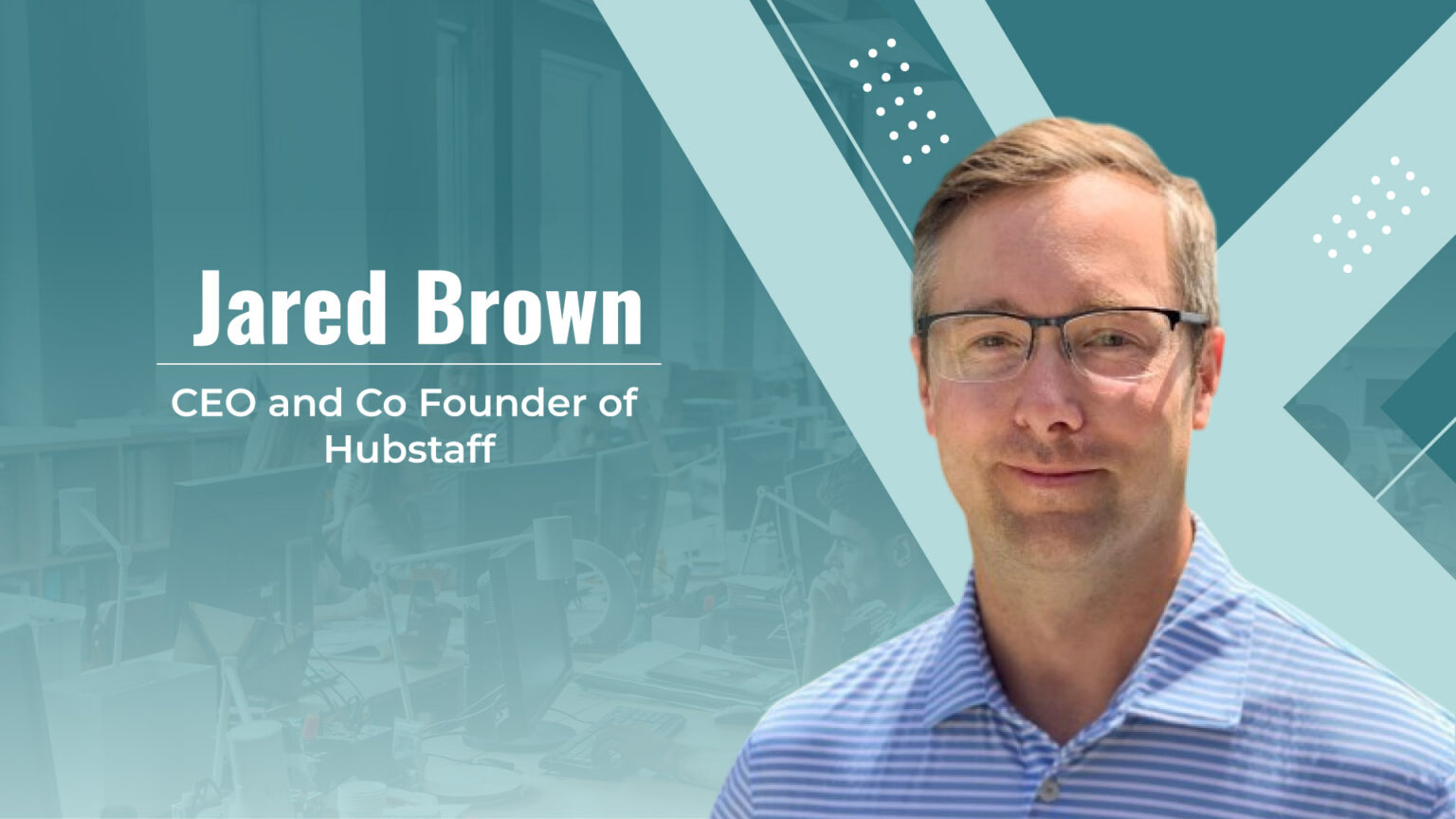
Jared Brown, CEO and Co Founder of Hubstaff
Jared Brown is the CEO and Co-Founder of Hubstaff, a time tracking platform built for global teams. Hubstaff’s platform helps more than 112,000 clients turn work hours into insights — with built-in productivity monitoring, payroll automation, and workforce analytics. Jared leads a fully remote team of more than 100 employees around the world and is a sought-after media expert on remote work, AI, and productivity. He is based in Atlanta, GA and is a graduate of Purdue University.