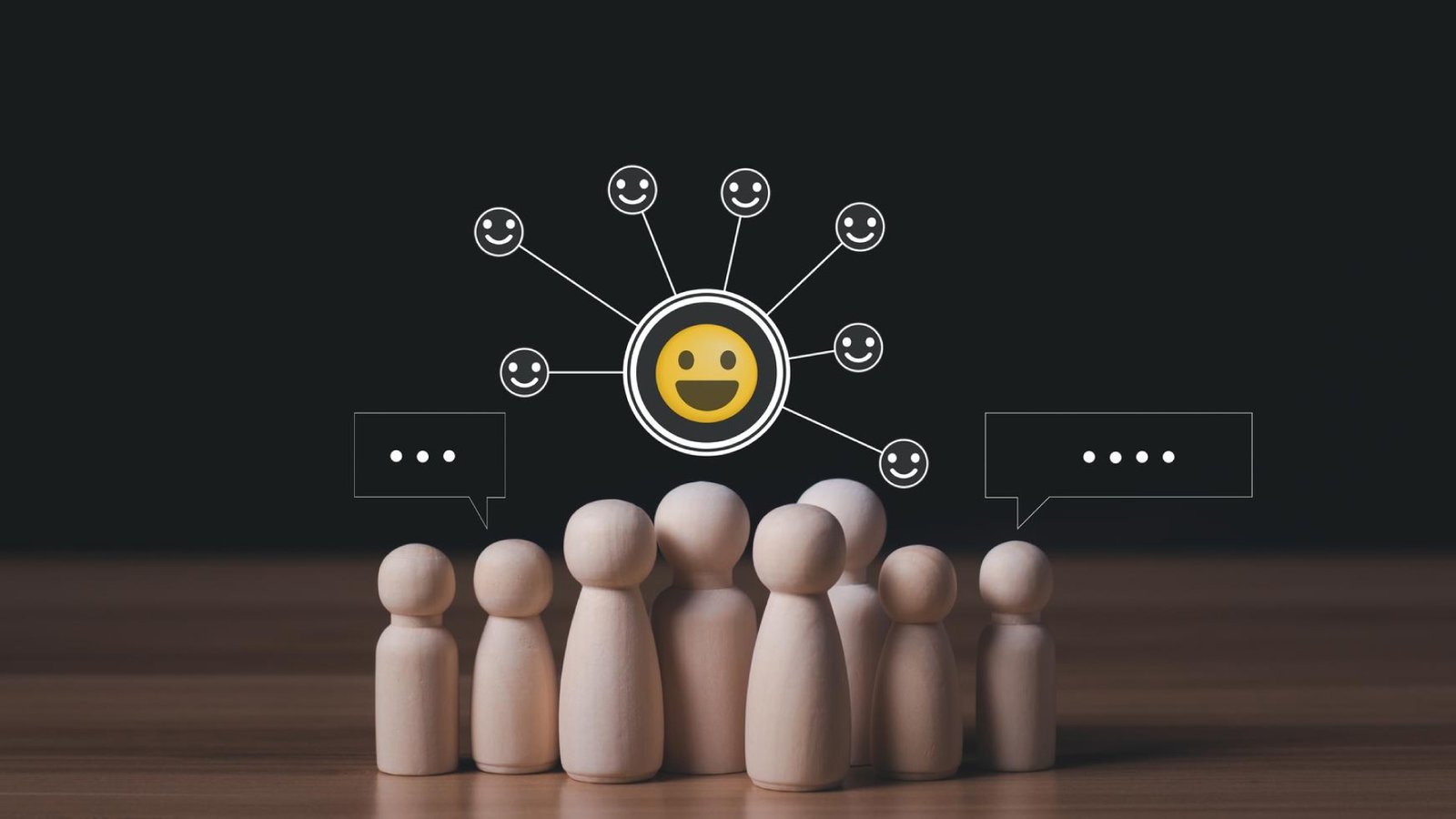



A fleet of AI agents has officially taken the wheel, steering us far beyond the days of stagnant suggestion boxes and into a world where employee sentiment is captured in high definition. In 2026, if your strategy for keeping people happy involves a yearly survey that takes six months to analyze,then you’re in a different time zone. The modern workforce expects their work life to feel as intuitive and responsive as their favorite personal apps. This is why employee engagement software has evolved from a simple HR add-on into the digital central nervous system of the high-performing enterprise.
Today, we’re architecting entire ecosystems where culture is built through code and connection. From predictive algorithms that can spot burnout before the employee even feels it, to employee engagement tools that turn a standard Tuesday into a masterclass in peer recognition, the game has changed. Whether you’re managing a team of five in a garage or five thousand across three continents, the right employee experience platforms are the difference between a team that’s just quietly quitting and one that’s loudly thriving.
Table of Content:
1. The Rise of Agentic AI and Predictive Analytics
1.1 Predictive Retention
1.2. Insight Generation Instantly
2. The Shift to Hyper-Personalization
3. Best Employee Engagement Software for Remote Teams
3.1. Seamless Integration
3.2. Bridging the “Distance Gap”
4. How Employee Engagement Tools Improve Workplace Productivity
4.1. Decrease in “Digital Friction.”
4.2. Goal Alignment with Company Purposes
4.3. Enablement of Managers
5. Ethical AI and the Human-Centric Future
5.1. Privacy-Focused Evolution
5.2. Recognition as Relationship-Building
Conclusion
1. The Rise of Agentic AI and Predictive Analytics
The most significant shift in employee experience platforms this year is the transition from passive data collection to agentic AI. Unlike the basic bots of the past, today’s AI agents proactively identify friction points before they escalate into turnover.
New-age employee engagement systems employ the power of predictive analytics that identify employees who could be potential leavers.
Through analysis of small changes in levels of engagement, sentiment in free-text responses, and even non-verbal cues such as response time and off-hours engagement, the system enables HR managers to take action even weeks before an employee submits their resignation letter.
1.2. Insight Generation Instantly
No more months of analyzing year-end data. For the year 2026, AI-enabled engines will summarize findings of thousands of open-ended responses within minutes. The speed ensures that there is continuous listening to what is happening among the organization’s employees.
2. The Shift to Hyper-Personalization
The digital employee experience is as personalized as the Netflix algorithm. Various employees have different requirements depending on their life stages or even different departments, and employee engagement software has evolved in response to these requirements.
Personalized Career Planning: The use of artificial intelligence has made it possible for these programs to create personal growth plans for individual employees and recommend training modules based on the individual’s skill deficiencies and career goals.
Tailored Wellbeing: Gone are the days when well-being was simply about getting a discount at the local gym. Well-being now includes data-backed recommendations to prevent burnout.
3. Top Tools for Remote Teams
With the hybrid model firmly established as the global standard, the best employee engagement software for remote teams in 2026 focuses on the flow of work integration. Remote workers no longer want to log into a separate portal; they want engagement to happen where the work actually lives.
3.1. Seamless Integration
These platforms excel at integrating with platforms such as Slack, Microsoft Teams, and Zoom. The act of recognition occurs instantly in the chat window itself, transforming it into a regular practice instead of something done once a month.
3.2. Bridging the “Distance Gap.”
For distributed teams, tools now offer:
- Virtual Recognition Walls: Social-media-style feeds where wins are celebrated publicly across time zones.
- Experiential Rewards: Platforms allow remote employees to redeem points for local experiences (e.g., a cooking class in their specific city) rather than just generic gift cards, fostering a deeper emotional connection to the company.
- Frontline Accessibility: For deskless workers, mobile-first tools ensure that employees on the factory floor have the same voice as those in the home office.
| Feature | Remote Impact | Top Utility |
| Peer Recognition | Eliminates isolation through public praise. | Immediate Social Validation |
| Pulse Surveys | Captures real-time sentiment. | Short, 30-second check-ins |
| Global Marketplace | Standardizes rewards across currencies. | Equitable Purchasing Power |
4. How Employee Engagement Tools Improve Workplace Productivity
The relationship between higher engagement and financial performance can be directly quantified. Here are the three ways in which employee engagement technology boosts productivity at the workplace in 2026:
4.1. Decrease in “Digital Friction.”
It takes very little time to demotivate an employee by bombarding them with applications. The modern employee experience technology platform works as a central hub for all the news, policies, and feedback for the employees. The reduction in cognitive strain means that employees are able to do deeper work.
4.2. Goal Alignment with Company Purposes
It is always productive for employees to know the purpose of performing a particular task. In 2026, advanced technologies will help align the employee’s everyday work with the company’s OKRs (objectives and key results). This helps boost the productivity level because the employee knows what impact they are making at a global level.
4.3. Enablement of Managers
The one factor that determines employee engagement in the office is the quality of the manager. With AI-powered suggestions from software in 2026, managers have better coaching conversations by knowing the talking points in the 1-on-1 and the last time the employee was recognized.
5. Ethical AI and the Human-Centric Future
Looking ahead to the rest of 2026, the pattern seems to be the convergence of man and machine. AI will do its part in crunching the data, but the human touch cannot be replaced.
5.1. Privacy-Focused Evolution
AI agents representing employees’ interests have changed the equation when it comes to security. Contemporary systems employ zero-trust models, meaning that every action by an AI agent is verified to ensure that employee privacy is respected, along with being highly transparent.
5.2. Recognition as Relationship-Building
This is a period where transactional rewards (points for prizes) are slowly giving way to relational recognition. Companies that excel in 2026 are using their employee engagement platform to create mentoring relationships and peer-to-peer coaching opportunities across departments.
Conclusion
The employee engagement software is not an additional thing anymore; rather, it has become imperative for any company to have such software. By adopting predictive AI, focusing on hyper-personalization, and making sure that the software is integrated easily, even for remote teams, companies would be able to have a team that is productive as well as emotionally engaged. Those who would succeed in this age are those who will utilize technology to make their workplaces more human than ever before.
Explore Hrtech Articles for the latest Tech Trends in Human Resources Technology