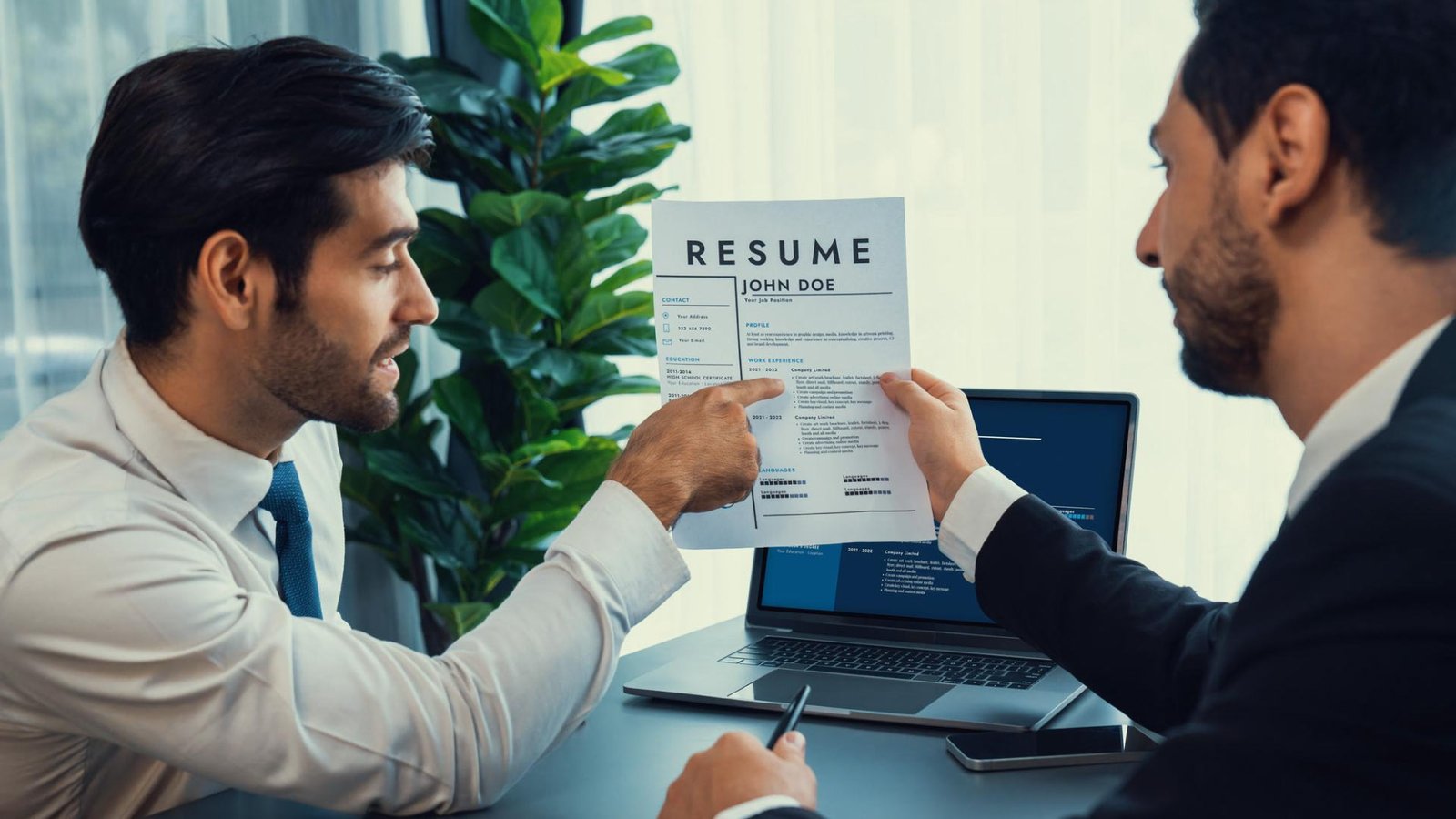
Based on 15+ years in hiring and HR technology, I’ve seen resumes lose relevance. Skills-based hiring is emerging as the most reliable way to predict performance, reduce bias, and build future-ready teams.
What skills-based hiring looks like in practice?
In practice, skills-based hiring means evaluating candidates on what they can do—not where they studied, which companies they worked for, or how polished their resumes look.
When organizations hire this way, they stop inferring capability from credentials and start validating it directly. I’ve seen this shift dramatically expand talent pools, improve hiring confidence, and reduce second-guessing after offers are made.
Simply put, when skills are measured, hiring becomes less speculative and more intentional.
Why resumes stopped being reliable signals
Traditional hiring practices relied heavily on resumes. Initially used by skilled workers to show their expertise to companies, it has now been reduced to a formalized document listing work experience, education, and references.
Though the resume is not a problem, candidates have started manipulating resumes to project themselves as perfect for the role. Research shows that about 70% of job seekers admit to lying in their resumes. This raises the question of the reliability of resumes in assessing a candidate’s true skills and qualifications.
Though resumes are the primary tool for assessing job seekers, they have limitations even today.
Experience over skills: Traditional resumes focus on job titles and years of experience but don’t always show a candidate’s actual skills or ability to do the job well.
Missed opportunities: Candidates without formal degrees or specific job titles may be overlooked, even if they have the right skills.
Hidden bias: Resumes can lead to bias based on age, gender, or education, which may unfairly impact hiring decisions.
Why organizations are replacing resumes with skills
Skills-based hiring practices are dependent on specific qualifications and skills over educational backgrounds. This approach is most effective in reducing hiring errors and increasing the chances of hiring the right fit.
With 81% of employers adopting skills-based hiring, companies are witnessing improved diversity, mis-hires, and retention with this strategy. 94% of employers agree that hiring based on skills is more predictive of on-the-job performance than resumes.
Hence, many companies are now incorporating skills assessment into their recruitment process. With technology evolving rapidly, especially in fields like AI and data science, past job titles and degrees no longer guarantee relevant skills.
Data-driven hiring using AI, big data, and skill assessments helps companies accurately identify the right talent. Instead of looking at where someone worked, employers test skills directly to ensure candidates can perform the job.
One of the major skills employers look for in candidates is adaptability. Hence, recruiters now prioritise potential fit over proven experience. Also, such data-driven hiring makes recruitment more fair and unbiased, which is often not true of resume-based hiring.
Why skills-based hiring is no longer optional
The skills needed for many jobs are changing faster than traditional education can keep up with, creating a skills gap between what employers need and what job seekers have. 70% of leaders agree there’s a skills gap in their organization.
Because of this, companies must take a more flexible and skill-focused approach to hiring, one that values real abilities and the willingness to learn over just degrees and past experience.
This makes skills-based hiring not optional anymore but essential. Businesses need employees who can adapt and solve problems, not just those with formal qualifications.
This approach allows companies to find talent from diverse backgrounds and hire people with the exact skills required for success.
By focusing on skills, businesses can drive innovation, stay competitive, and build a more flexible and inclusive workforce that’s ready for the challenges of the modern world.
Why do companies opt for skills rather than experience?
Organizations that prioritize skills over credentials tend to make fewer hiring mistakes and they know why. Skills-based hiring focuses on what actually predicts performance.
It’s not surprising that 94% of employers say hiring for skills is more predictive of job success than resumes. Or that 81% have already started adopting this approach.
In fast-changing fields like AI, data, and technology, yesterday’s job title tells you very little about today’s capability. Degrees don’t update. Skills do.
The companies getting this right are using assessments, structured evaluations, and data to test ability directly. Instead of asking, “Where have you worked?” they ask, “Can you do the job?”
Adaptability has become one of the most valuable skills of all. I’ve seen organizations prioritize learning ability over linear experience and outperform competitors because of it.
How high-performing companies actually implement skills-based hiring
From what I’ve seen, high-performing companies don’t adopt skills-based hiring because it sounds progressive, they adopt it because it works. Many of them begin by integrating skills assessments into their hiring process once they recognize the tangible advantages.
Focusing on skills helps them hire the right talent without burning financial resources. This matters because one bad hire can cost nearly 30% of a role’s salary. In my experience, skills-based assessments significantly reduce this risk by validating capability early.
Organizations that do this well typically follow a few consistent steps.
1. Assess your current workforce and identify skill gaps
The first step I see companies take is conducting an internal skills assessment. This allows them to:
- Understand the existing skills within their teams
- Identify gaps where targeted hiring or training is needed
- Build upskilling programs instead of defaulting to external hires
Tools like skills mapping and competency frameworks are often used to bring structure to this process.
2. Revamp job descriptions to focus on skills
Most job descriptions still emphasize degrees and past titles, which I’ve seen exclude capable candidates unnecessarily. High-performing teams shift the focus by:
- Listing specific technical and soft skills required for success
- Removing educational or experience requirements that don’t directly impact performance
- Using competency-based language to attract a broader, more qualified talent pool
For example, instead of stating “MBA graduate required,” they write “Proven ability to run successful digital campaigns using Google Ads and social media analytics.”
Some teams also use tools like Testlify’s AI job description generator to create unbiased, DEI-optimized JDs.
3. Use skill assessments in the hiring process
Rather than relying solely on resumes and interviews, these organizations introduce pre-employment skill assessments. In practice, this ensures:
- Candidates are evaluated on real ability, not just presentation
- Faster, more consistent, and bias-reduced decision-making through AI-driven testing
- Standardized evaluation across all applicants
For instance, developers may complete coding challenges, while sales candidates are assessed through role-based simulations.
4. Adopt skills-based interviewing
Interviews are still important but I’ve seen them work best when they’re structured around skills, not career history.
This typically includes:
- Scenario-based questions such as, “Tell me about a time you solved a major problem using data.”
- Practical assignments or live problem-solving tasks
- Behavioral questions that surface soft skills like collaboration and adaptability
5. Invest in upskilling and reskilling employees
Instead of constantly looking outside, many organizations shift focus inward and invest in developing their existing workforce.
This often involves:
- Implementing Learning & Development (L&D) programs
- Training employees on new tools and technologies
- Offering online courses, mentorship, and cross-training opportunities
6. Use AI and data to reduce bias in hiring
Finally, the strongest hiring systems I’ve seen rely on AI and data to improve fairness and consistency. These tools help organizations:
- Screen candidates based on skills rather than resume signals
- Automate assessments to ensure equal evaluation
- Analyze hiring patterns to support data-backed decisions
When implemented thoughtfully, skills-based hiring enables companies to attract stronger candidates, improve diversity, and build workforces that are genuinely prepared for what’s next.
Skills vs experience: Which matters the most?
So, there you have everything you need to know about skills-based hiring. In a nutshell, while experience has a significant impact, having the right skills will take you further.
LinkedIn data shows that 92% of professionals value soft skills most, and 89% say hiring failures are usually due to gaps in them. Nearly 70% of leaders would choose AI skills over experience alone.
In today’s market, experience may get someone noticed.
But if I had to bet on what determines success, I’d put my money on skills every time.
Explore HRtech for the Latest HR News and Trends in Human Resources Technology