


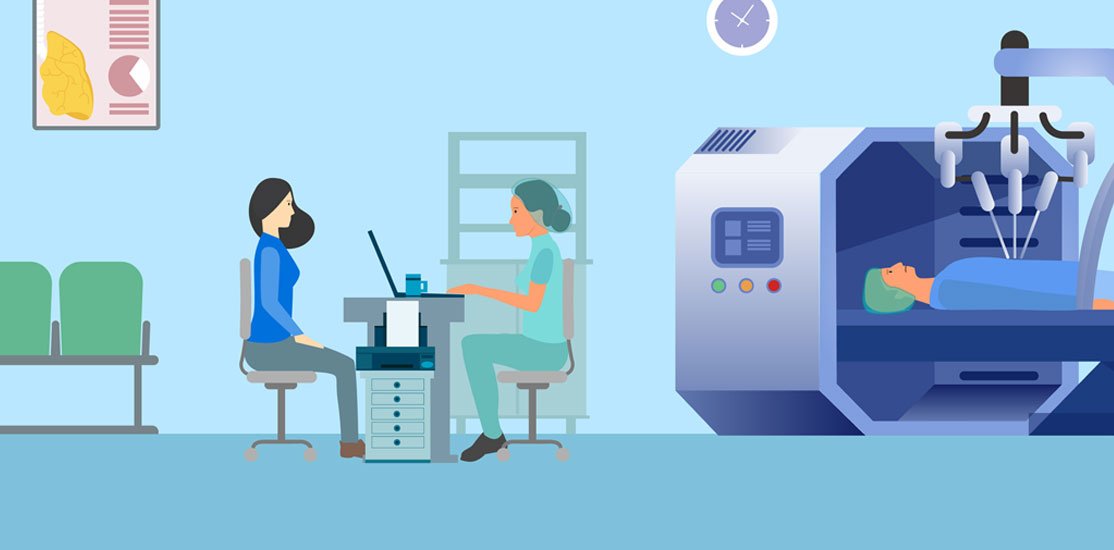
In March of 2021, 4.5 million Americans from all sectors left their jobs. Many did so due to the grueling impact of the COVID-19 pandemic. This workforce flight hit the healthcare industry especially hard when significant numbers of front-line personnel left the workforce due to burnout following mounting months of stress and heightened workloads from providing care to patients suffering from COVID. The flight has caused a crisis for healthcare workers and patients alike—without a thriving workforce that can tend to new patient needs, it is even tougher to meet the care requirements of an aging population burdened by rising rates of chronic conditions.
With more positions currently open than can be filled, the healthcare industry needs a solution that meets its staffing, onboarding, and retention needs.
The gaping hole left by the tens of thousands of healthcare professionals leaving their field has put a spotlight on the difficult underlying conditions healthcare workers have faced trying to stay afloat during the last two challenging years. Notably, most facilities still use antiquated, manual administrative processes that take too much valuable time away from nurses and staff, whose time should be better spent interacting with patients—it’s well-known that human interactions play a meaningful role in a patient’s recovery process.
Organizing papers, logging which members completed specific compliance courses, and filtering through old materials to determine what can be modernized can be a massive waste of time for administrators.
Unfortunately, many healthcare organizations have yet to adapt effective methodologies and technology solutions that can help them overcome this current understaffing issue. Instead, they’re dealing with the problem reactively—responding to a lack of personnel by piling more duties onto the remaining medical workers only compels those that remain to follow in their former coworkers’ footsteps. Burnout is a real problem that only compounds these understaffing issues.
An important step to combating burnout and responding to this problem more proactively is to determine how new technology can help nurses and other healthcare workers do their jobs more efficiently and improve their day-to-day work lives.
The Age of Automation Technology
While medical treatments may be cutting-edge and use the newest technologies, oftentimes the administrative operations within hospitals are anything but, and we can’t ignore this reality any longer.
By leveraging the latest technology, hospitals and medical groups can more efficiently deliver outstanding patient experiences.
In 2020, 90 percent of hospitals and health systems implemented an AI and automation strategy—up from 53 percent in 2019. Automation allows healthcare organizations to minimize the time staff spends on phones, at computers, or away for training sessions while giving them more time with their patients. It also drives productivity and ensures that patients don’t fall through the cracks. Staffing coordinators can be more strategic and proactive, addressing understaffing days in advance and focusing on operational improvements.
At MedTrainer, we aim to help automate workflows and deliver superior patient outcomes by eliminating repetitive and time-consuming tasks like documentation. Automation, coupled with access to valuable data can help transform the roles of nurses and staff into ones that focus less on menial, redundant tasks and more on the human aspects of their profession. By reducing the number of tasks nurses must complete per patient, the risk of nurse and staff burnout is significantly decreased.
Letting automation handle the assignment of employee learning, credentialing, and compliance training frees up valuable time for nurses and healthcare administrators, who can then use this time for more productive and urgent responsibilities. Automation simplifies these processes, minimizes operational strain on busy patient access teams, and reduces friction for patients who want to connect with the right specialist in the least amount of time.
Advanced technology isn’t just reserved for medical treatments—we see it as the future for every aspect of healthcare. Embracing automation and improving related processes can help boost staff recruitment, engagement, and retention in this unpredictable environment. Whether your health system is replacing manual processes with automation or working to implement staffing practices that contribute to reaching your corporate goals, this new technology is the first move toward bridging the gap between the past and the future.
For more such Updates Log on to www.hrtechcube.com
ABOUT THE AUTHOR

Steve Gallion
Steve is an experienced SaaS HCIT leader with a passion for people, technology and outcomes. He currently serves as the CEO at MedTrainer.com. Steve’s passion for people and eye for market opportunities have led him to build several companies over the past 15 years that have brought benefit to healthcare.
Today Steve is directly responsible for the company vision and empowerment of the executive team to fulfill MedTrainer’s mission. Academically Steve holds multiple degrees from the University of California Riverside in Business Economics as well as his Juris Doctorate from California Southern Law.
In his free time, Steve is active with his two children, enjoys the outdoors, loves to read, has a passion for cooking, an affection for travel as well as doing his best to limit time in the gym while still being active doughnut connoisseur. Steve loves building companies, loves technology, loves people, believes in inclusive leadership, and has a passion for enjoying the journey along each path he ventures down.
.